GENSI, 23 Apr: The 8th Poshan Pakhwada was celebrated with great enthusiasm by self-help groups (SHGs) and villagers across Gensi block in Lower Siang district.
A traditional recipe contest showcasing local nutritious cuisines was organised by the Lune Bane Model Cluster Level Federation, Gensi block, in collaboration with the Arunachal State Rural Livelihoods Mission (ArSRLM), Gensi block. The programme brought together community members, women entrepreneurs and local leaders on a common platform to promote indigenous food practices and nutritional wellbeing.
The event was attended by Gensi ZPM Tadam Zirdo, Gensi GHSS Vice Principal Kombi Tao, and Gensi Medical Officer Dr Tabi Nguba, among others.
Dr Nguba highlighted the critical importance of maternal and child nutrition. He informed the participants about the availability of free medicines at health centres, and stressed the significance of early childhood stimulation (0-3 years) for proper brain development. He also cautioned against excessive screen time among both children and adults, noting its adverse effects, including speech delays in young children.
Tao delivered a speech on the role of discipline, respect and consistent parental guidance in shaping young minds. She underscored the value of good deeds and positive actions, illustrating her message with relatable real-life examples that resonated with the audience.
Zirdo applauded the efforts of the ArSRLM officials and the SHG members, especially women, for organising such a meaningful and impactful event. He emphasised that initiatives like Poshan Pakhwada are the need of the hour and can play a vital role in addressing pressing nutritional and health challenges within the community.
A key highlight of the programme was the ceremonial disbursement of financial assistance amounting to Rs 27.20 lakh under the PMFME scheme by the MoFPI, GoI, implemented by the ArSRLM. The support was extended to 18 SHGs and three individual beneficiaries to strengthen their existing ventures, thereby promoting local entrepreneurship and livelihood enhancement.
The celebration concluded on a high note, leaving participants inspired and more aware of the importance of nutrition, health and sustainable community practices.
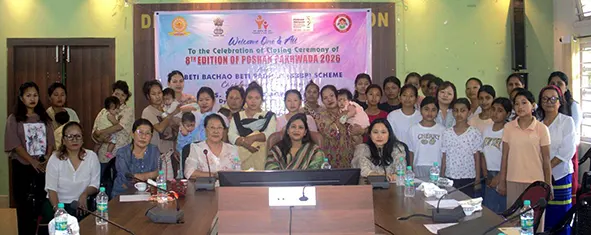
In East Siang district, the Department of Women and Child Development, in collaboration with the district administration, organised the closing ceremony of the Rashtriya Poshan Pakhwada at the DC’s conference hall in Pasighat on Thursday.
The Rashtriya Poshan Pakhwada is a nationwide 15-day nutrition awareness campaign observed annually across India during March-April, aimed at promoting better nutritional practices and improving health outcomes among women and children.
The programme was attended by, among others, Deputy Commissioner Sonalika Jiwani.
The campaign focused on key themes, including maternal and child nutrition, early stimulation for brain development (0-3 years), play-based learning for children (3-6 years), the role of parents and community in minimising screen time, and strengthening anganwadi centres through community participation.
Various activities were conducted during the pakhwada, including ‘poshan rallies’, awareness sessions on the harmful effects of junk and packaged food, demonstrations of nutritious locally available food, play-based learning activities, and low-cost toy-making using household materials.
Sessions were also held to encourage the involvement of male caregivers in child development, along with activities promoting physical and motor development among children.
A key highlight of the programme was the felicitation of beneficiaries under the Pradhan Mantri Matru Vandana Yojana (PMMVY) and adolescent girls under the Beti Bachao Beti Padhao (BBBP) scheme.
In her address, the deputy commissioner emphasised the importance of proper nutrition and early childhood care. She advised avoiding packaged foods containing high levels of palm oil and sugar, and encouraged the consumption of fresh, locally available food. She highlighted that the first five years are crucial for brain development, with nutrition and stimulation playing a vital role.
She informed also that the human papilomavirus (HPV) vaccine has been introduced in India for the prevention of cervical cancer, and urged adolescent girls to avail of the vaccine.
The programme also included awareness sessions on the prohibition of child marriage and child labour. The event concluded with a review of activities conducted during the Poshan Pakhwada and a call for continued community participation to ensure improved health and nutrition outcomes. (With DIPRO input)