PASIGHAT, 3 Feb: Siang Dialogue 3.0, a three-day flagship initiative which examined how economy, ecology, and security intersect in shaping the future of India’s Northeast, concluded here in East Siang district on 31 January.
Organised by Red Lantern Analytica (RLA), the initiative brought together scholars and policymakers to reflect on the region’s strategic importance, ecological vulnerability and developmental opportunities.
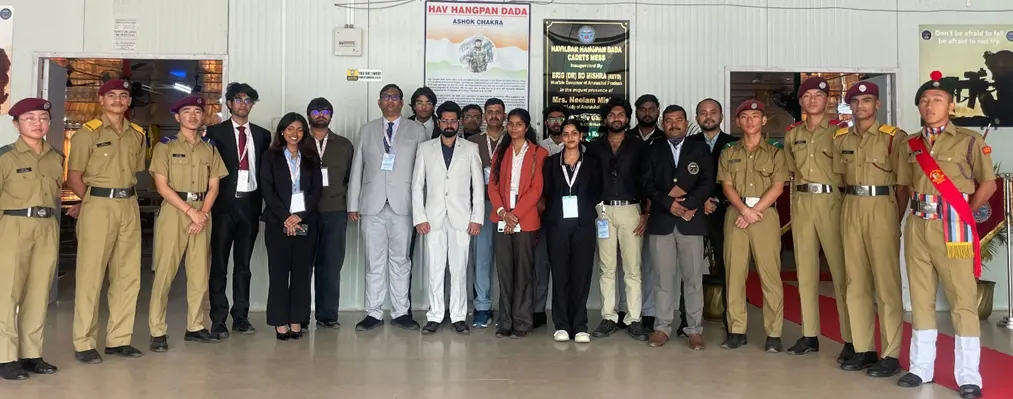
On Day 1 (29 January), a programme titled ‘A conversation with young minds on India’s Northeast and national security’ was organised at the Sainik School in Niglok.
Attending the programme, MLA Ninong Ering stressed the importance of discipline, hard work, and independent thinking among students. He highlighted the growing role of think tanks in shaping policy and urged the cadets not to be disheartened by setbacks but to see themselves as future contributors to India’s security, particularly through the armed forces.
RLA director Dr Siddhartha Ghosh in his address emphasised that India’s strength rests on robust infrastructure, education, and civic institutions, and that Sainik Schools play a crucial role in nurturing responsibility and leadership. He reminded the students of personal discipline and placing the nation first, encouraging them to view themselves as policymakers of tomorrow.
Sainik School Principal Col Anant Thapan reaffirmed the importance of bringing the national security conversation directly to young citizens of the Northeast.
On Day 2, a Bengal florican report release session was held, wherein Prof Deepak Pathania from the Central University of Jammu emphasised the ecological significance of Pasighat and its surrounding sanctuaries, noting that fragile ecosystems are increasingly vulnerable to climate change impacts. He underscored the central role of river systems as lifelines for both human and non-human communities.
RLA chief adviser Dr Ayanjit Sen stressed that conservation and development must be seen as complementary rather than competing objectives. He discussed the Bengal florican as a key indicator species which reflects the broader health of grasslands of Arunachal Pradesh. He quoted cultural practices like the Partung festival as examples of local identity and tradition.
RLA director Dr Siddhartha Ghosh called for stronger ecosystem-based planning, and policy commitment to preserve Arunachal’s unique ecosystems.
On Day 3 of the programme, an online panel discussion was organised on ‘Security and strategic stability in India’s Northeast’.