PASIGHAT, 26 Mar: The curtains on the two-day 3rd Bharat Lok Sangeet Arunachal Utsav 2026, held here in East Siang district, came down on Thursday, leaving behind a memorable cultural experience for youths, cultural enthusiasts, and the people of the district and the state in general.
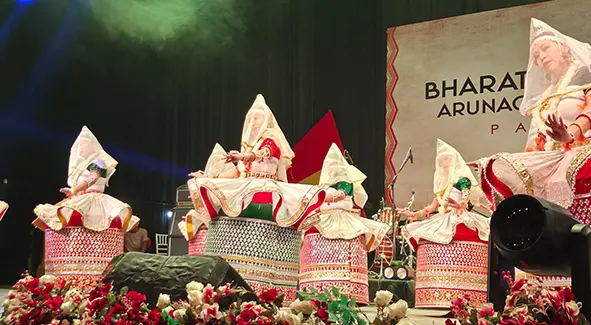
The festival, celebrating the rich cultural mosaic of India, featured an array of indigenous folk performances, with folk artistes from the Wancho community performing the Zu-Phon-Shon, a Memba folk dance by artistes from Shi-Yomi district, a classical Bharatnatyam by Dr Lata Surendra, Aka folk dance by a cultural troupe from Thrizino, a Raas Lila from Manipur, a Khamba community folk dance, and a Nah community folk performance by a troupe from Taksing.
Connecting with the youths in the audience in particular and exuding the folk beats of Sikkim and Arunachal Pradesh were Lepcha folk band Laso Mung Kup from Sikkim and Arunachal’s musical icon Taba Chake.
Earlier, the festival was inaugurated by Roing MLA Mutchu Mithi on Wednesday. He emphasised the importance of preserving traditional heritage and art forms in today’s rapidly changing world. “Customs, cultural expressions, and artistic traditions passed down through generations form the essence of identity and are a vital source of pride that must be safeguarded for future generations,” he said.
The 3rd edition of the festival, held at the festival ground near Raneghat, was an immersive cultural experience and celebration of India’s cultural diversity. Organised by the tourism department in collaboration with the East Siang district administration, the event opened with an array of cultural performances that highlighted the richness of Arunachal’s and the nation’s cultural heritage and the spirit of unity in diversity.
Held under the aegis of the ‘Ek Bharat, Shreshtha Bharat’ initiative, the festival brought together a blend of indigenous traditions and classical art forms. It showcased the diverse cultural heritage of Arunachal,alongside performances by folk artists from across the country.
The festival aims to promote cultural harmony and national integration by providing a platform for artistes representing various districts and states of the country. (DIPRO)