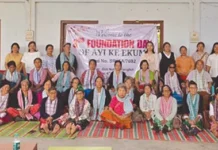
METENGLIANG, 8 Sep: Thirty farmers from Chaglagam participated in a two-day ‘Training-cum-input distribution programme of piglets’, organized by the Anjaw Krishi Vigyan Kendra here from 7-8 September.
During the inaugural session, KVK Head Dr Debasis Sasmal emphasized the importance of livestock farming as a sustainable livelihood option for tribal farmers and rural youths. He elaborated scientific pig rearing practices, disease management, and preventive measures to enhance productivity and reduce mortality.
Agronomy scientist Naveen Khoisnam conducted a technical session on rabi season crop planning. He dwelt on the cultivation practices of field peas, toria, winter maize, and various cole crops, besides emphasizing the importance of vermicomposting as part of sustainable soil health management.
Horticulture scientist Satveer Yadav spoke on fruit crop propagation techniques, focusing on kiwi and orange cultivation. He also shared best practices related to vegetable crop production, nursery management, and seasonal crop planning.
Soil and water management engineer Ugarsain Sangwan conducted a session on construction of low-cost polyhouse structures integrated with drip irrigation systems to enable year-round vegetable production. He also raised awareness about the need for location-specific irrigation infrastructure, especially for addressing water scarcity during the rabi season due to insufficient rainfall.
Programme assistant Chow Inchen Namchoomelaborated the need and use of farm mechanization to increase agricultural efficiency, productivity and sustainability to meet growing local food demands.
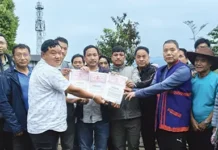
As part of the Vibrant Villages Programme initiated by the Government of India, the programme concluded with distribution of piglets to selected beneficiaries. A total of 15 farmers from Chaglagam received 2-3 piglets each, along with feed, medicines and leaflets as part of the intervention aimed at improving livestock-based livelihoods in remote tribal regions.