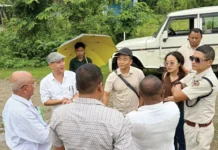
YACHULI, 30 Apr: An academic interaction and field demonstration session was conducted at the Keyi Panyor Krishi Vigyan Kendra (KVK) here on Thursday for the MSc agricultural economics 2nd semester students of Rajiv Gandhi University, Rono Hills.
Faculty members Khaidem Nirja, Azhanuo Rutsa, Yaman Chadar, Longjam Roshini Chanu, and Ankit Yadav led the students during the visit.
The session was conducted under the guidance of KVK Head Dr Hage Munth.
During the interaction, subject matter specialists – Pema Khandu Goiba, Hage Manty, Nani Yampi, Nich Tain, and Yowa Nunu – explained the organisational structure and functioning of the KVK, and provided detailed insights into key extension activities such as on-farm testing and frontline demonstrations. These approaches involve testing technologies under farmers’ conditions and demonstrating them for wider adoption if proven successful.
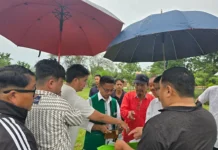
The programme also included extensive field exposure. The students visited the soil science laboratory, where various analytical equipments were demonstrated and their functions explained. They were shown practical aspects of soil testing and its role in improving soil health management.
A honeybee rearing unit was demonstrated, highlighting its importance in pollination and supplementary income generation. The students were also taken to areas under protected cultivation, where modern methods of crop production were showcased.
Further, the group visited the vermicomposting unit, where organic waste recycled into nutrient-rich compost was demonstrated. A fishery pond developed using HDPE pond liner, filled entirely with harvested rainwater, was also showcased as an innovative and convenient water resource for irrigation. The pond is used for rearing fish species such as the common carp and grass carp, demonstrating integrated farming practices and efficient resource utilisation.
The scientists also elaborated extension strategies, including need-based training, diagnostic visits, field visits, and demonstration plots, all of which are planned after assessing local conditions and farmers’ requirements.
The session provided the students with valuable insights into grassroots-level agricultural extension, organisational functioning, and real-world challenges in technology dissemination.