[Wangtum H Lowang]
The population census drive has begun in Arunachal Pradesh, marking an important exercise in understanding the demographic realities of the state after more than a decade since the 2011 census. The initiative is a welcome step by the government and the administration, as accurate population data is essential for planning development, improving governance, and ensuring fair distribution of resources. For a diverse tribal state like Arunachal, census records also carry immense social, political, and economic significance.
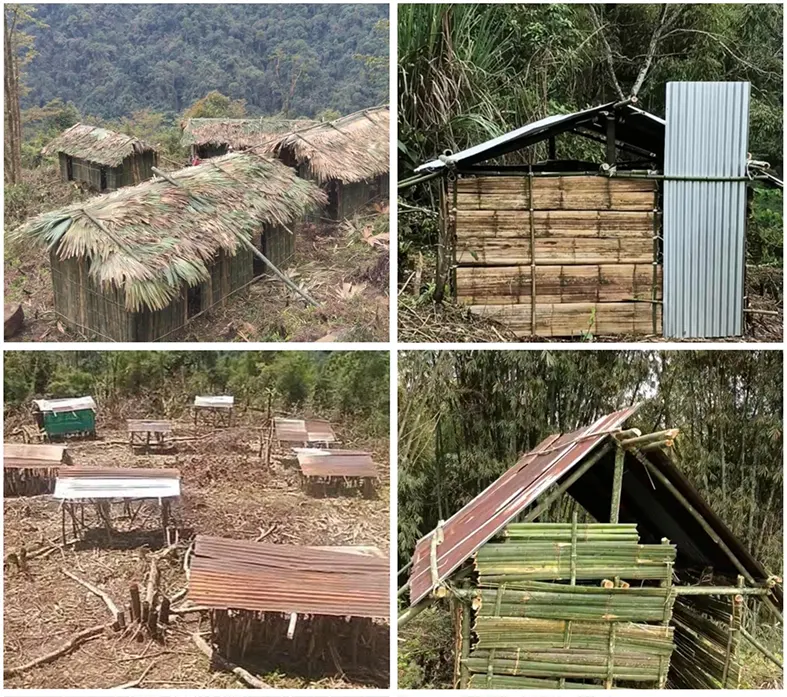
In recent days, several photos and claims circulating on Facebook have raised concerns over the alleged creation of fake ‘census houses’ aimed at artificially inflating the population of certain villages, regions, or specific tribes. This article is based on those social media claims and discussions. While it remains unclear whether census officials ultimately counted such structures during enumeration, the episode has triggered serious public debate. The larger concern is the apparent lack of strong verification mechanisms or visible legal deterrence against such practices.
This issue should concern every genuine citizen of the state because census data is not merely statistical information; it becomes the foundation for future administrative and political decisions. Population figures influence the creation of villages, towns, circles, and potentially even the delimitation of Assembly constituencies. They also shape the allocation of government schemes, development funds, welfare benefits, educational opportunities, and employment-related advantages. If inflated figures enter official records, the long-term consequences could be severe, allowing certain groups to gain disproportionate benefits while depriving genuinely eligible communities of their rightful share.
Equally worrying is the social attitude emerging around the issue. In the comment sections of several Facebook posts discussing fake census houses, many individuals openly defended the practice. Some even mocked critics by asking why anyone should feel ‘jealous’ if a community gains more development funds or benefits through such means. Others argued that if the tactic brings advantages, every community should simply do the same. Such responses reflect a dangerous shift in public morality where manipulation of official records is no longer viewed as wrongdoing, but as a strategy for collective gain.
This mindset is harmful not only to governance but also to the social fabric of Arunachal. Once fraudulent practices become accepted in the name of tribal competition or regional development, trust between communities begins to erode. Genuine data collection becomes impossible, and policies based on distorted figures ultimately weaken the integrity of the state itself. Development built upon falsehood may benefit a few temporarily, but it creates long-term injustice and administrative imbalance for everyone else.
The ongoing census exercise should therefore be treated with seriousness and honesty by all stakeholders, ie, officials, village authorities, community leaders, and citizens alike. Strict verification mechanisms and legal action against deliberate manipulation are necessary to preserve the credibility of the census process. At the same time, society must recognise that real development cannot come through inflated numbers or fabricated records, but through transparency, accountability, and genuine representation of the people. (The writer is the director of Nocte Digest)