Monday Musing
[ Tongam Rina ]
The state cabinet has announced the implementation of the electronic inner line permit (e-ILP) system in Arunachal Pradesh, although one already exists. While no details have been provided about the new system – which is expected to replace the existing one, also called e-ILP – the cabinet stated in a press note said that the “digital system is expected to improve regulatory oversight, enhance transparency, and provide greater convenience to visitors.”
The chief minister has also spoken about need for changes to the Bengal Eastern Frontier Regulation (BEFR). Before the state recommends any changes to the regulation that guides the ILP, there must be proper consultations with all stakeholders, and the implications and legality must be thoroughly examined, as such changes will have a bearing on the future of the state and its indigenous people. However, it is a given that permit system needs to be strengthened.
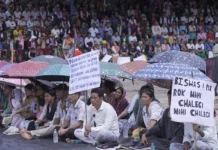
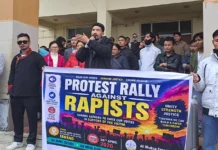
Pema Khandu’s announcement comes after the state capital was shut down by an organisation demanding the dismantling of all allegedly illegal mosques constructed in the Itanagar Capital Region, the closure of weekly markets, and a halt to illegal immigration.
How will the new system be implemented, and how different will it be from the existing one, which clearly needs reform to meet the new challenges posed by undocumented people in a protected state?
Aadhaar is often mandatory to obtain an ILP, but many people do not have access to such documentation, meaning that getting the all-important permit is not easy for them. How, then, do they enter the state, and is there a clear mechanism put in place by the government instead of waiting for organisations to take up the issue?
Each time there is an anti-refugee or anti-immigrant movement in the state, common people, including tourists, are harassed by organisations, often taking the form of vigilantism. Such harassment has been widely documented.
The new permit system, if and when introduced, should address the loopholes in the current implementation of e-ILP and should include a proper exit plan. Once entries are recorded in an electronic database, it should not be too difficult to maintain a log similar to a visa system that records both entry and exit. However, the question remains: how is this going to take shape? The current system generates ILPs, but there is no record of exits thereafter, nor is there any requirement to fill out an exit form, other than mentioning whether the permit is temporary for 15 days or one year.
Even as protected states struggle to implement laws like the ILP, Meghalaya Chief Minister Conrad Sangma’s work permit for outsiders appears to be the most workable suggestion so far. This is particularly relevant, given the current situation, where it is unclear who qualifies as an illegal immigrant, yet a large section of the indigenous population feels threatened as waves of workers arrive, bring their families, and establish settlements and villages – especially in the capital region.
The government must look into these ground realities. Simply stating that borders are porous and little can be done will not work for long and is no longer a valid excuse, as public impatience is growing. In the long run, it is the migrant labourers who are likely to be affected as many feel threatened by their presence.
Rightly so, because many have to rely on them – from construction work to meat shops, and even foraged vegetables. The state capital shuts down during a particular festival, which says a lot about how dependent people are on migrants, whether they are stationed here legally or without the required documentation.
One of the main demands is the demolition of illegal mosques in the state. If mosques are being constructed without authorisation by undocumented people, as claimed by the state government and various organisations, this is clearly another case of authorities being asleep at the wheel by allowing unauthorised construction.
ILP is highly emotive, as it pertains to rights and identities, and if mishandled by the government, it has the potential to spark a serious law-and-order situation. For now, attention has been diverted from issues that should ideally be at the centre of public discussion – such as unemployment, drug abuse in the state, and the government’s failure to address these problems – which is a relief for the government.
Targeting a particular community based on religious identity is not fair, especially when the government’s actions to control illegal immigration amount largely to lip service. The issue should not turn into a situation like Assam, where it has become a political maelstrom, with the Muslim community being targeted by Chief Minister Himanta Biswa Sarma, keeping people occupied with an emotive subject framed as a threat to Assamese identity. The state must ensure that individuals with valid documents are not targeted unnecessarily.
Today, the market is largely controlled by the same people being branded as illegal immigrants. How are they able to set up businesses on protected land if they are immigrants? How are they able to run entire weekly markets when regulations are required to establish them – markets where everything from unregulated medicines and vegetables to gambling and alleged drugs are sold openly in public spaces?
These are questions the government must answer.