[ Prem Chetry ]
SHERGAON, 9 Mar: An extensive camera-trapping survey under the project ‘Forgotten Cats of Seinthuk Project’, carried out by NGO Garung Thuk in collaboration with the Wildlife Trust of India, has revealed a rich biodiversity of small cats in the community forest of Shergaon in West Kameng district.
The survey began in November 2025, and involved an extensive camera-trapping exercise across 41 grids, covering nearly 40 sq kms of community forest, with the aim of documenting and collecting vital data on the region’s wildlife.
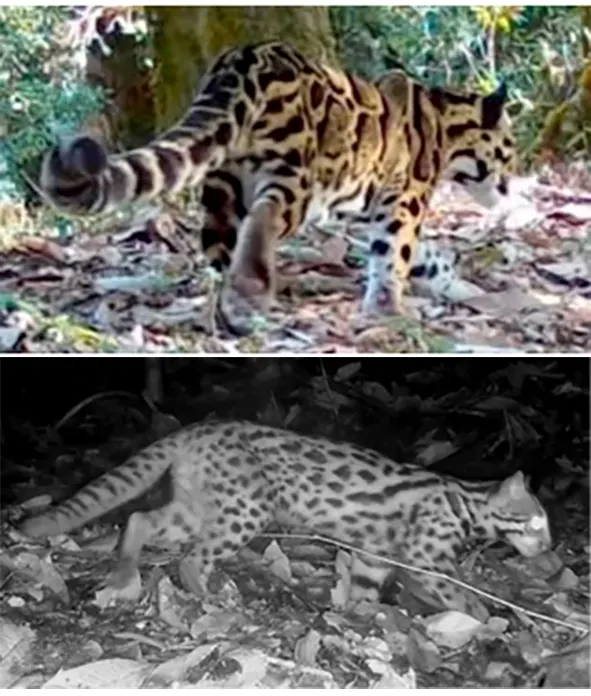
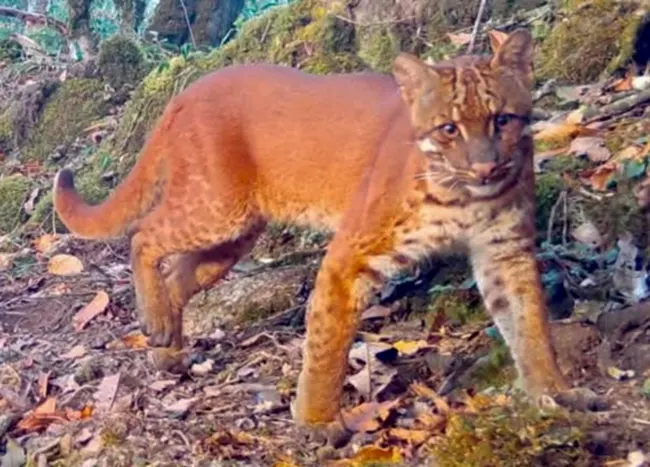
The camera-trapping team consisted of project consultant Dr Lobsang Tashi Thungon, field biologist Suranjita Roy, and field assistants Dorjee Khandu Khrimey and Pema Wangdi Thungon, who recently began retrieving 65 camera traps. These documented a variety of species, from small cats like the Asian golden cat, marbled cat, leopard cat and clouded leopard to other wildlife, including the Dhole, the Asiatic black bear, Himalayan goral, Himalayan serow, yellow-throated marten, and gaur.
The team called the project a major success, saying they overcame harsh environmental conditions, rugged terrain, and toilsome treks from dawn to dusk for weeks, which eventually yielded the desired outcome.
Expressing delight over the findings, GT chairman Ledo Thungon said, “Our community forest is endowed with varied and rich biodiversity. These days, many conservation efforts focus mainly on big cats. But, we must also give equal importance to small cats as their existence is undeniably significant for ecological diversity. That is why the project is named ‘Forgotten Cats of Seinthuk’.”
He further stated that the community is concerned about the massive destruction of forests, intensive agriculture, and ever-expanding urbanisation.
“Before we dissuade people from such activities, we must first realise the sustainable strengths we possess,” he added, noting that tourism in the area currently is based mainly on culture and tradition.
Thungon also emphasised the need to explore the region’s biodiversity potential to streamline ecotourism alongside the existing model of sustainable cultural tourism.