[Pisi Zauing]
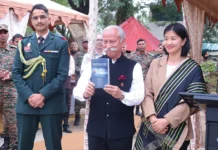
MARGHERITA, 3 Dec: Margherita MLA Bhaskar Sharma on Wednesday visited Inthem Mungong Buddha Vihar along the Assam – Arunachal boundary and called for strict action against those responsible for the brutal killing of chief monk Indrabonsho Bhikkhu. The MLA termed it a heinous and unforgivable crime.
Sharma assured the grieving community of full support but the community’s patience is wearing thin.
The murder has sent shockwaves through Buddhist communities across Assam and Arunachal Pradesh, plunging the region into collective mourning.
For the devotees of Inthem Buddhist Monastery, the killing was not just the loss of a spiritual guide but the shattering of a sacred space that once radiated peace, compassion, and moral strength. Buddhist organizations have described the incident as a barbaric assault on the very soul of Buddhism, calling it brutal, inhuman, and deeply suspicious.
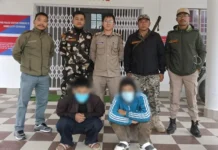
Even after nearly two weeks, the police have failed to identify or arrest the culprits.
For the Buddhist community, this delay is no longer just frustrating, it is intolerable. A growing coalition of Buddhist bodies, including monastery committees, religious councils, regional associations, and civil society groups have issued an urgent, uncompromising call for justice. They are demanding arrest of all individuals involved in the monk’s killing and a transparent, time-bound, and impartial investigation free from political influence or bureaucratic delay.
Their demands also include fast-track prosecution guaranteeing maximum punishment under the law, while enhancing security for monasteries, monks, and religious practitioners across the region and immediate intervention by district and state authorities to restore the shaken confidence of the Buddhist population.
Many organizations and individuals have warned in unambiguous terms that any further delay will amount to a failure of the state, risking emboldening criminal networks and worsening the fragile peace in border areas.
Community leaders argue that unless swift, decisive action is taken now, the region may witness an unprecedented erosion of trust between people and the administration.
The monastery itself, once a pillar of spiritual life, now stands under a cloud of fear. Devotees walk its grounds with heavy hearts, monks perform rituals with trembling hands, and the silence that once inspired meditation now echoes grief. The sudden, violent death of a monk who dedicated his life to compassion and service has left an emotional vacuum too deep to ignore.
Across Assam and Arunachal Pradesh, prayer meetings, candlelight vigils, peace marches, and solidarity gatherings have become a routine affair. The chants for justice grow louder, more insistent, and more unified. For a region that has long cherished peace, the community’s message is firm and unwavering: Justice delayed will not be tolerated. Justice denied will not be forgiven.